Rising Tensions and Strategic Developments Dominate Today’s Middle East Headlines

The Middle East remains at the center of global attention as political tensions, military developments, and economic concerns continue to shape the region. International news sources report that ongoing conflicts and diplomatic efforts are influencing both regional stability and global security dynamics.
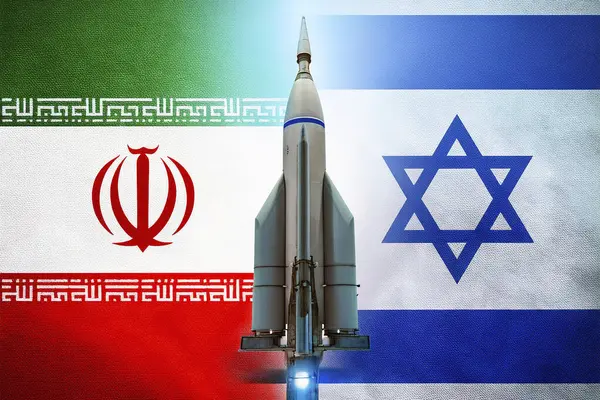
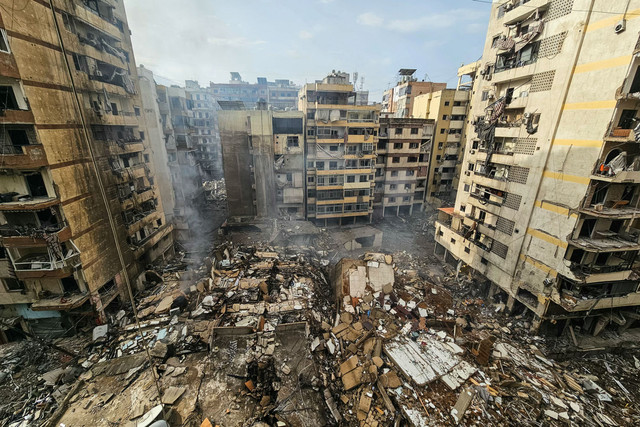
One of the most significant developments involves the continuing confrontation between Iran and Israel. Military exchanges, including airstrikes and missile launches, have intensified in recent weeks, raising concerns about the possibility of a wider regional conflict involving additional countries.
The involvement of the United States has also played a major role in shaping the current situation. Political analysts note that cooperation between the United States and Israel has strengthened military operations while increasing tensions with Iran and its regional allies.
Another important issue attracting attention is the impact of the conflict on global energy markets. The Middle East is a key supplier of oil, and disruptions in the region can significantly influence international fuel prices and economic stability.
The strategic maritime route known as the Strait of Hormuz remains a focal point of concern. This narrow waterway is responsible for transporting a large percentage of the world’s oil, making it highly sensitive to geopolitical tensions and security threats.
In addition to military developments, diplomatic efforts are ongoing as international organizations and global leaders call for de-escalation. Many countries are encouraging negotiations to prevent further conflict and reduce the risk of humanitarian crises in the region.
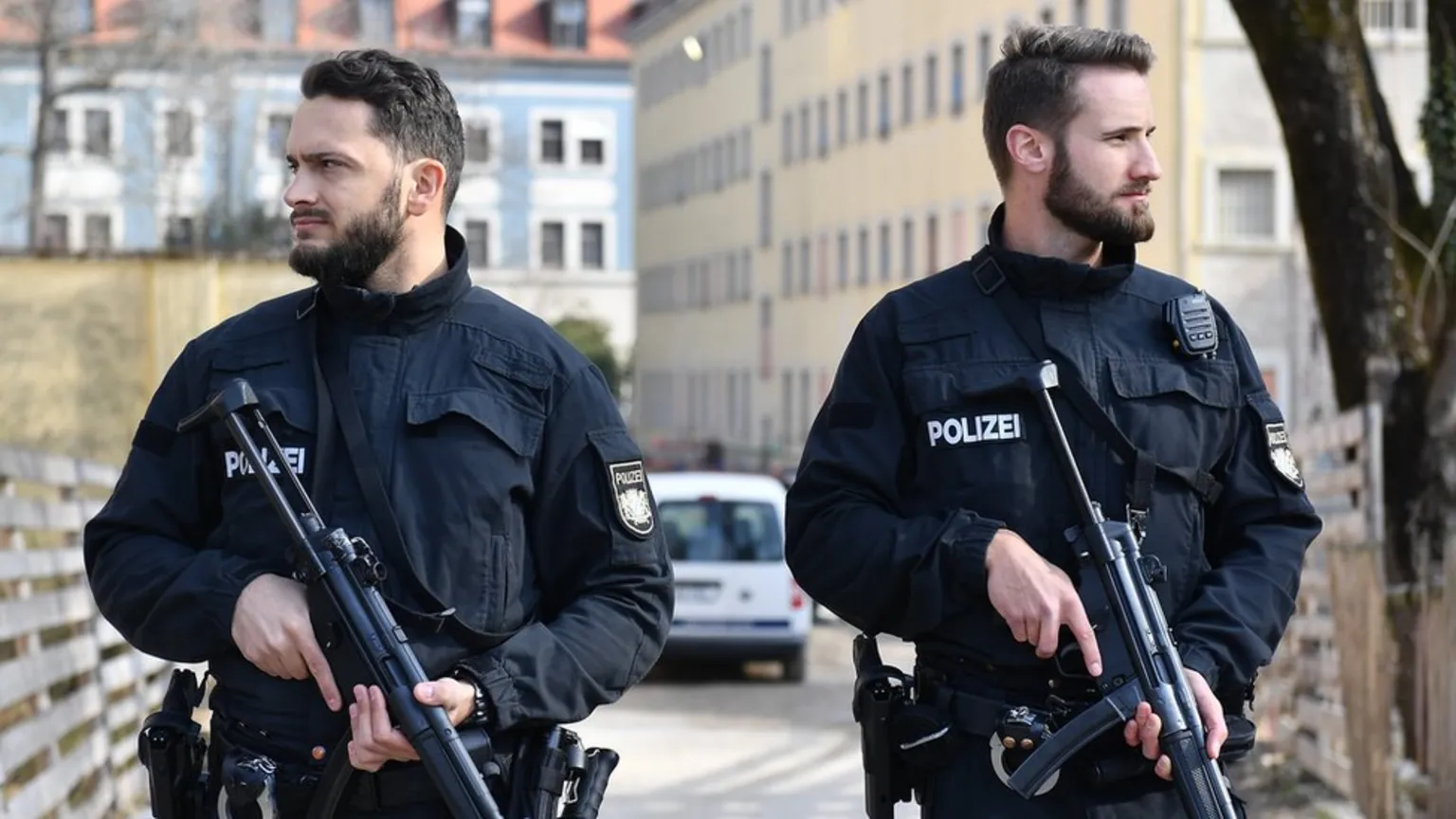
Civilian populations across several Middle Eastern countries have been affected by the ongoing tensions. Emergency services remain on high alert, and governments are implementing safety measures to protect citizens from potential military threats.
Economic uncertainty is also increasing as investors react to geopolitical risks. Financial markets are closely monitoring developments in the region, particularly in relation to energy supply, trade routes, and international relations.
In conclusion, the Middle East continues to be a critical region influencing global politics, economics, and security. As tensions persist and diplomatic efforts continue, the international community remains focused on finding solutions to maintain stability and prevent further escalation.
What's Your Reaction?