Lebanon’s Deepening Crisis: War, Displacement, and Economic Freefall
Lebanon is facing an increasingly complex and dangerous situation in 2026, as conflict, economic collapse, and humanitarian challenges intensify simultaneously. The country, already weakened by years of instability, is now struggling to contain the impact of multiple overlapping crises affecting millions of its citizens.
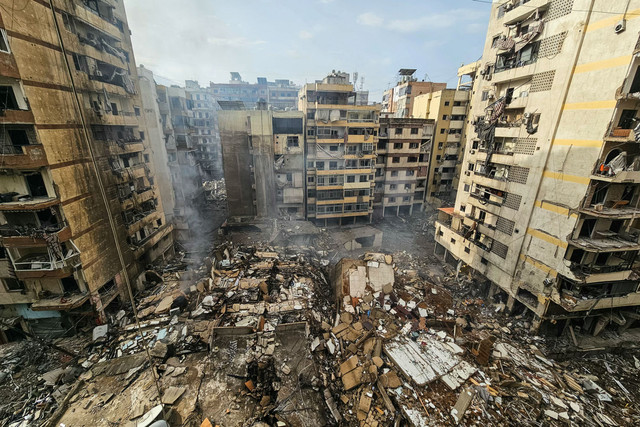
Clashes between Israeli forces and Hezbollah fighters have escalated sharply, especially in southern Lebanon and border regions. Airstrikes and counterattacks are occurring with greater frequency, destroying residential neighborhoods, roads, and essential infrastructure that communities rely on for daily survival.
The rising violence has caused a sharp increase in civilian casualties, with many families caught in the crossfire of ongoing military operations. Reports indicate that large numbers of people have been killed or injured, further deepening the humanitarian emergency unfolding across the country.
Mass displacement continues to grow as residents flee conflict zones in search of safer areas, often leaving behind homes and livelihoods. Temporary shelters are overcrowded, and humanitarian organizations are struggling to provide adequate food, water, and medical assistance to those in need.
Lebanon’s healthcare system is under severe pressure, with hospitals facing shortages of medicines, fuel, and medical equipment. Healthcare workers are operating under extremely difficult conditions, warning that without urgent support, critical services may soon become unavailable.
The country’s economic crisis has worsened dramatically, with inflation rising and the national currency losing value at an alarming rate. Many businesses have shut down due to instability, leaving thousands unemployed and further weakening the already fragile economic structure.
Food insecurity is becoming a widespread concern, as disrupted supply chains and high prices make it difficult for families to access basic necessities. Aid agencies report increasing levels of hunger, particularly among vulnerable populations affected by both conflict and poverty.
Political divisions within Lebanon continue to complicate efforts to respond effectively to the crisis, as disagreements among leaders hinder decision-making. The role of Hezbollah in the conflict remains a contentious issue, contributing to internal tensions and uncertainty about the country’s direction.
In summary, Lebanon is facing one of the most critical periods in its modern history, with escalating conflict and worsening humanitarian conditions. Without swift international intervention and meaningful political solutions, the crisis is likely to deepen further, impacting both the country and the wider region.
What's Your Reaction?