Iran Under Pressure: Conflict, Politics, and Global Stakes in 2026

The situation in Iran continues to dominate global headlines as tensions escalate across multiple fronts involving military, political, and economic dimensions. Recent developments suggest that the conflict has entered a sensitive phase, with both risks of escalation and opportunities for diplomatic intervention emerging simultaneously in a rapidly shifting geopolitical landscape.
In Washington, Donald Trump addressed the nation, indicating that military operations linked to Iran may be nearing a strategic milestone. However, analysts and defense experts caution that such claims often serve political narratives, while actual conditions on the ground remain fluid, complex, and highly unpredictable across various conflict zones.
Tehran has responded with strong rhetoric and continued military readiness, rejecting external claims regarding ceasefire intentions. Iranian officials insist that national defense remains a top priority, signaling that the country is prepared to sustain prolonged resistance if necessary. This firm posture reflects broader strategic calculations shaped by both domestic and international pressures.
One of the most immediate global impacts of the crisis can be seen in energy markets, where volatility has sharply increased. The critical maritime route known as the Strait of Hormuz remains a focal point of concern, as any disruption could significantly affect global oil supply chains and drive further price instability worldwide.
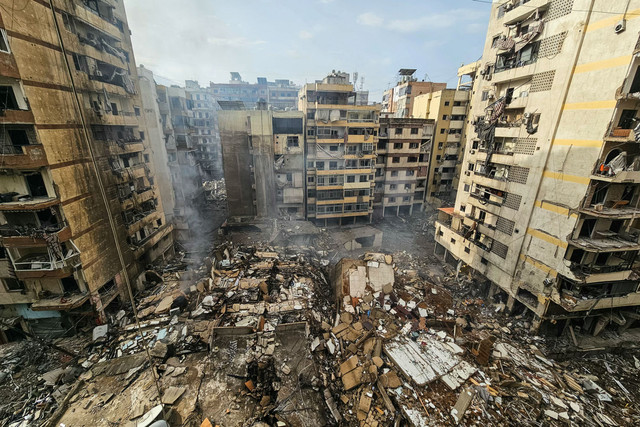
Humanitarian conditions within affected regions continue to deteriorate, with civilians bearing the brunt of ongoing hostilities. Reports highlight rising casualty figures, displacement of communities, and damage to essential infrastructure. International aid organizations are calling for urgent intervention to prevent further worsening of living conditions in vulnerable areas.
Internally, Iran is navigating a complex political environment marked by public dissatisfaction and intermittent protests. Authorities have responded with strict measures aimed at maintaining order, but underlying tensions remain unresolved. Observers believe that these domestic challenges could influence Iran’s broader strategic decisions during this critical period.
The involvement of regional actors has added another layer of complexity to the situation, increasing the likelihood of a wider conflict. Groups aligned with Iran, as well as opposing forces, are contributing to an increasingly interconnected battlefield that extends beyond national borders. This dynamic raises concerns about long-term regional instability.
Efforts toward diplomacy continue despite significant obstacles, with international mediators attempting to bridge gaps between conflicting parties. However, deep mistrust and competing strategic interests have limited progress. Negotiations remain fragile, and any breakthrough will require substantial concessions and sustained commitment from all sides involved.
Looking ahead, the trajectory of the Iran crisis remains uncertain, with multiple possible outcomes ranging from de-escalation to broader confrontation. Global leaders are closely monitoring the situation, aware that developments in Iran will have far-reaching implications for international security, economic stability, and geopolitical balance in the months to come.
What's Your Reaction?