Iran Faces Growing Pressure Amid Escalating Regional Conflict
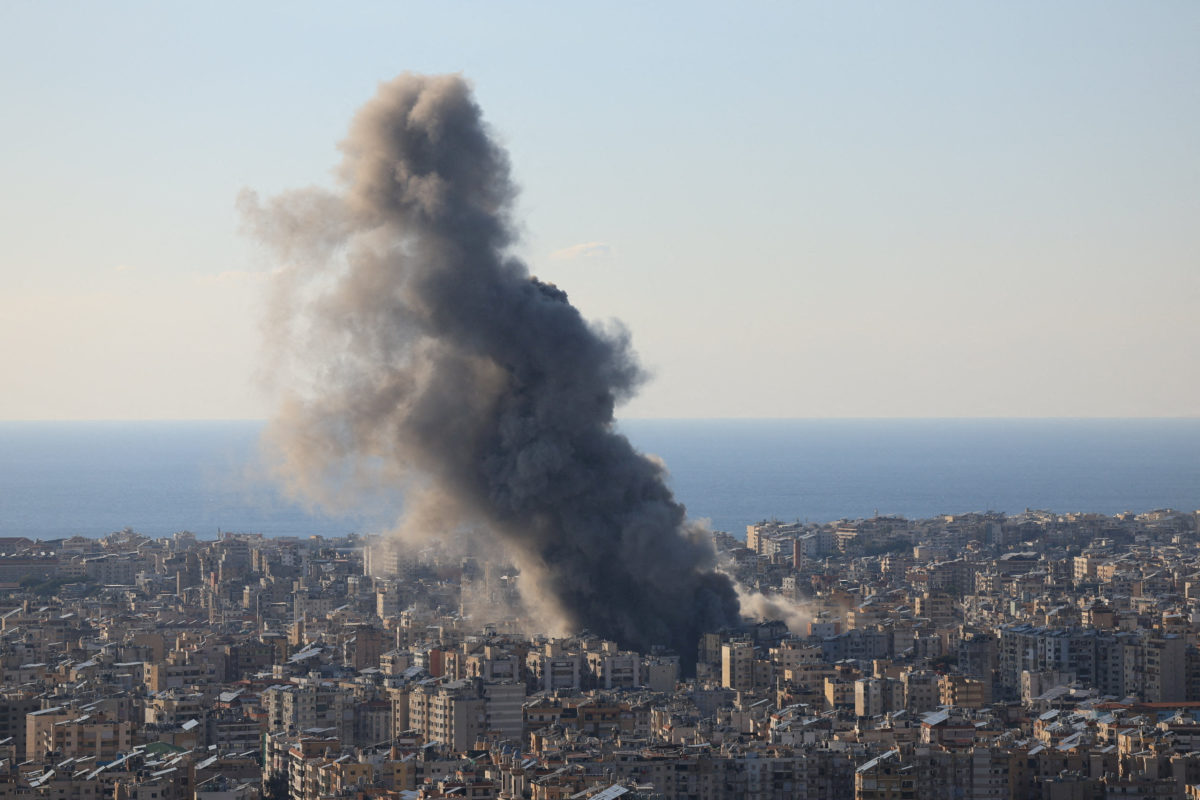
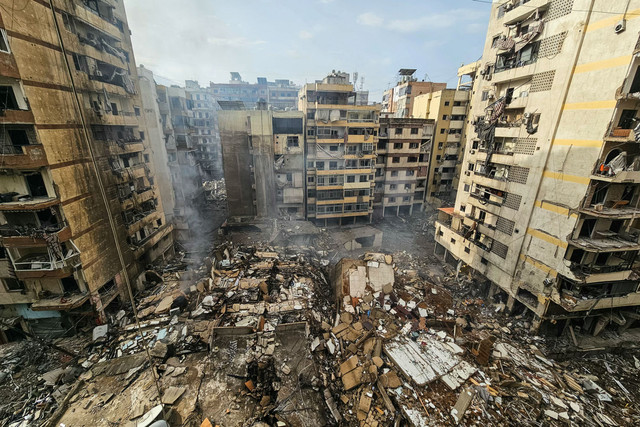
Iran has once again become a major focus of global attention as tensions across the Middle East continue to intensify. Ongoing military confrontations involving Iran, Israel, and the United States have raised fears that the situation could expand into a wider regional conflict affecting several neighboring countries.
The latest escalation began after coordinated strikes by United States and Israeli forces targeted key Iranian military and strategic facilities. Officials from both countries described the attacks as an effort to weaken Iran’s military capabilities and limit its missile and nuclear development programs.
Iran quickly responded to the attacks by launching missile and drone strikes toward Israeli territory and positions linked to U.S. forces in the region. These retaliatory actions significantly increased tensions and signaled Iran’s determination to respond forcefully to military pressure.
Several Iranian cities have experienced heavy air defense activity as authorities attempted to intercept incoming missiles and drones. Residents reported explosions and disruptions in multiple areas, highlighting the growing intensity of the military confrontation.
The conflict has also raised concerns about the security of major energy routes, particularly in the Persian Gulf. Analysts warn that any disruption to oil transportation in the region could have serious consequences for global energy markets and international trade.
In addition to military challenges, Iran continues to face economic difficulties at home. International sanctions, inflation, and currency instability have placed significant pressure on the country’s economy, creating additional challenges for the government during the crisis.
Global financial markets have reacted to the rising tensions with increased volatility. Investors are closely monitoring developments in Iran because prolonged conflict in the region could lead to higher energy prices and increased inflation worldwide.
Diplomatic efforts are underway as several international leaders call for restraint and dialogue to prevent further escalation. Regional governments and global organizations have urged all sides to seek peaceful solutions before the conflict expands further.
Security experts warn that if additional armed groups in the Middle East become involved, the confrontation could quickly grow into a much larger regional war. Groups aligned with Iran in countries such as Lebanon and Iraq remain a key concern for analysts.
As the situation continues to evolve, Iran remains at the center of one of the most serious geopolitical crises in recent years. The outcome of the conflict could reshape political alliances, regional security strategies, and global economic stability for the foreseeable future.
What's Your Reaction?